 South Africa is undoubtedly a destination for those who love contact with nature in all its forms: from the African bush in the north of the country, especially in the Kruger Park area, to the boundless landscapes that plunge into the ocean in the southernmost part. You will find animals in the wild, landscapes of historical importance together with cities that are no less impressive than the big metropolises.
Here is what you need to know for a trip to South Africa.
Best time
South Africa has inverted seasons compared to Italy but, in principle, can be visited all year round. However, the recommended period is from September to March, i.e. between spring and summer, when temperatures are pleasant, there is not much wind and you enter the driest season, which is also suitable for safaris. In addition, November is the best time for whale watching.
Documents required
A valid passport is required to enter South Africa. On arrival at the airport, a 90-day tourist visa will be issued free of charge. No vaccination is compulsory, except for yellow fever vaccination, but only if during your trip you had a stopover in one of the countries where yellow fever is considered endemic. If you are planning a safari in the Kruger Park, malaria prophylaxis may be recommended. To drive, an international driving licence is required, remembering that driving here is on the left!
How many days
Minimum duration of trip: at least 7 days
Recommended duration of trip: at least 12 days
How to dress and what to bring
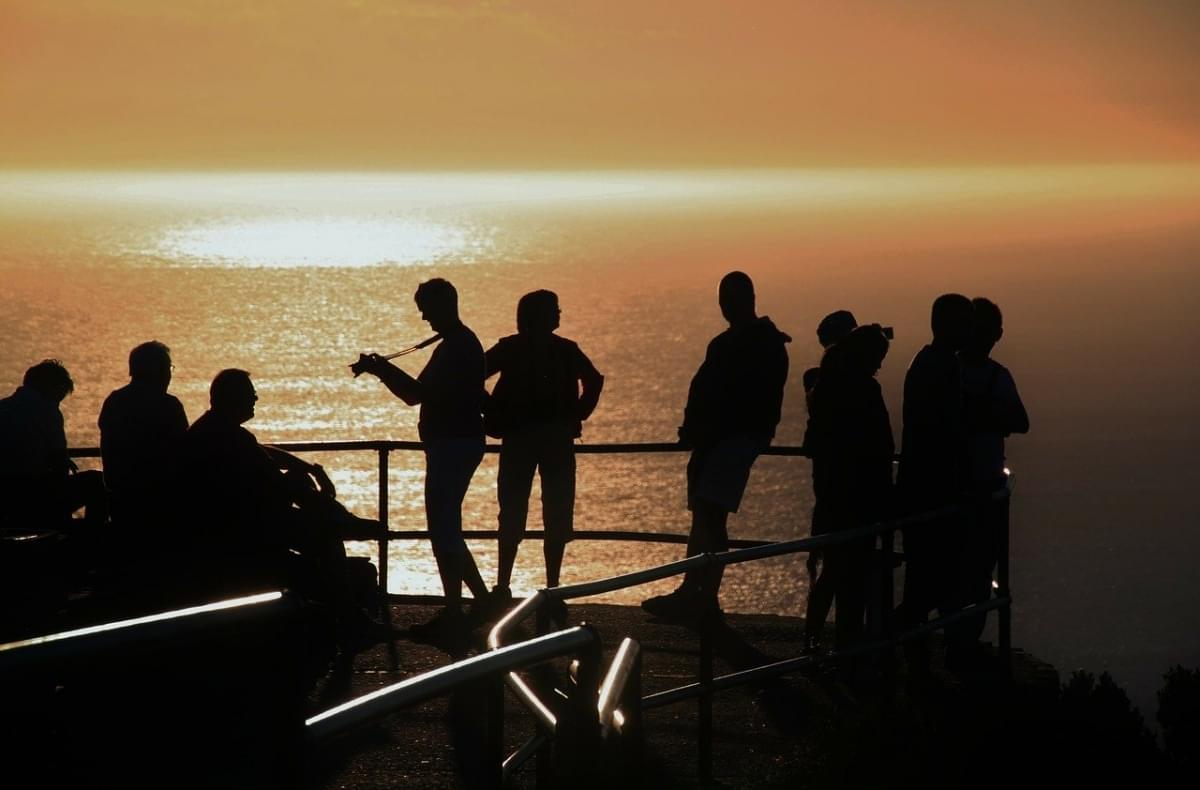 It has a climate similar to the Mediterranean, with temperatures that are never very cold or high. In the period from spring to summer, it is always a good idea to pack a windproof jacket, which is very common especially in the south, and very comfortable clothing, with hiking boots for excursions.
If your itinerary includes a safari in the South African summer period, it is advisable to bring lightweight, long-sleeved, long-legged, light-coloured clothing and a hat.
What to see
 There are two must-see stops: Cape Town and the Kruger Park. They are not close to each other, so you will need an extra plane connection to reach them, but they are a must for those approaching South Africa for the first time.
If, on the other hand, you have already been to these stops, an on-the-road trip along the Garden Route may be advisable for your second time.
SEE ALSO: Safari in South Africa: prices, when to go and where
If you are visiting the destination for the first time: Kruger Park, Cape Town, Cape of Good Hope Peninsula
If you are returning to the destination: Winelands, Garden Route, Durban
Getting around
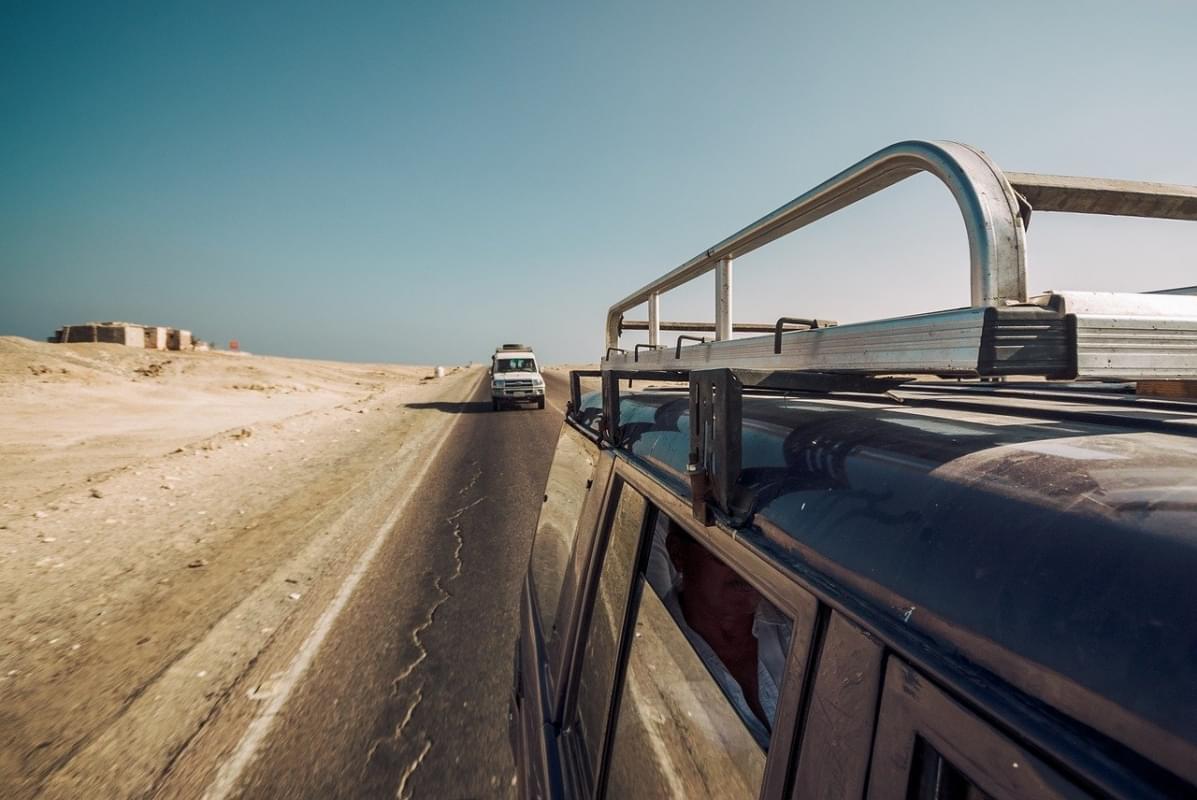 Although it is a very developed country, some of the main tourist areas are still surrounded by nature or by the ocean, and these are places where people still live simply. The best way to go on excursions, or to get around, is undoubtedly arented car. Alternatively, you can get around by taxi or with organised excursions.
What to book in advance
 "/> For a trip like this, it is necessary to book your flight well in advance in order to save money.
Travel insurance should certainly not be underestimated, buthealth insurance is especially recommended.
It is also advisable to book ahire car in advance, so that you can plan your trips well and not leave everything to chance.
Most excursions are always available and do not need to be booked in advance, especially in the most popular destinations. However, there are a couple of tours that, either because they are too important or, conversely, because they are less well known, tend to sell out easily. In particular the visit to Robben Island, the island where Nelson Mandela was imprisoned, and the Heads tour by boat, in Knysna.
Where to stay
It is always advisable to choose accommodation that is very central to the attractions to be visited, especially if you are moving away from the big cities.
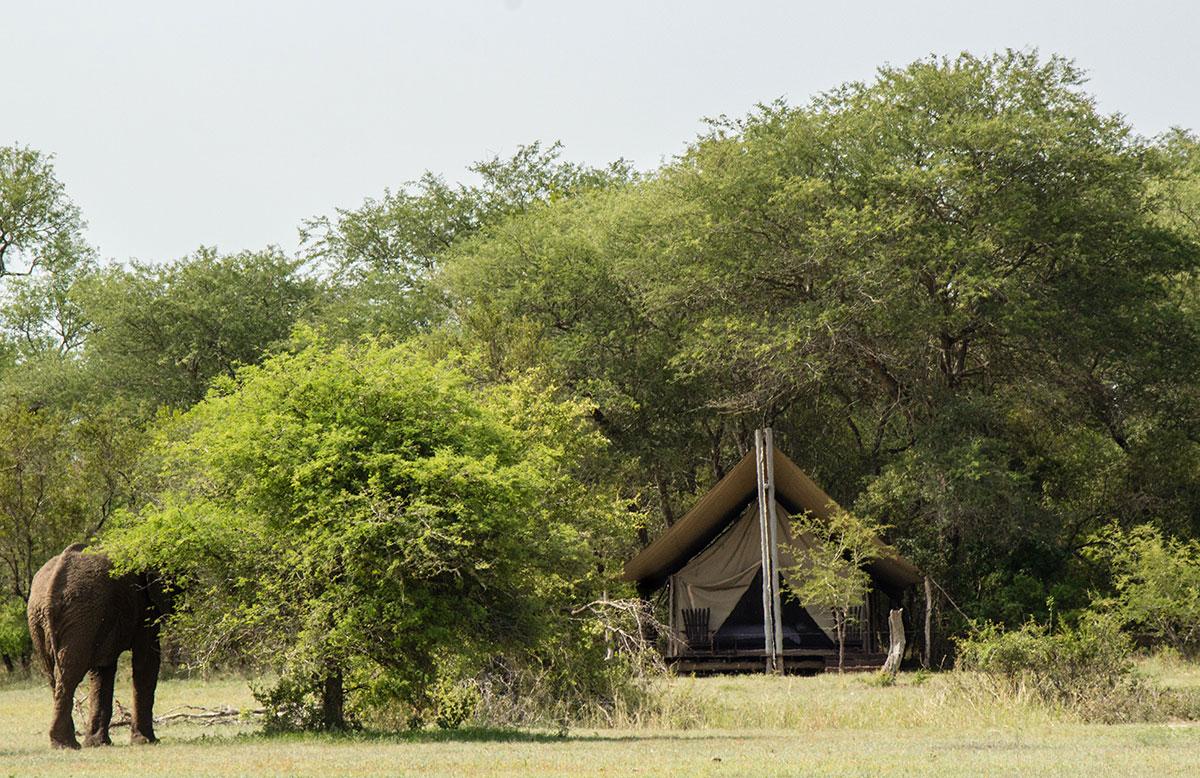
In Cape Town, the best areas, for example, are the Waterfront or Caps Bay. For those interested in going on safari, you can choose lodges within the reserves while, for the other destinations along your itinerary, you can opt for guesthouses, which are usually very well equipped, even with food service.
Where to eat
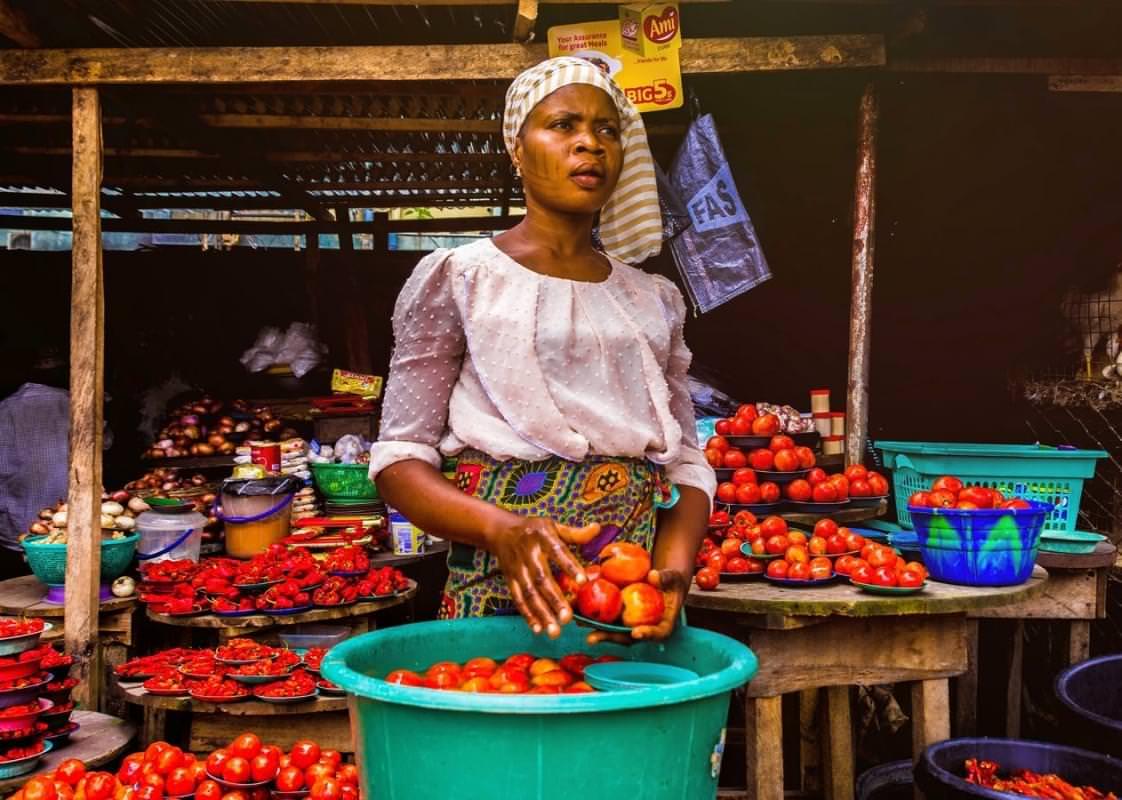 "/> It is a tradition in South Africa, especially in seaside resorts such as Cape Town or Port Elizabeth, to enclose the main dining and entertainment activities in the Waterfronts, which are sort of open-air shopping centres that are active until late in the evening. They are usually well-lit and busy and, inside the restaurants, you can taste typical dishes such as ostrich, kudu or crocodile meat, as well as the famous local mussels and oysters.
How much does it cost
Cost of flights and travel: from around €800 per person
Accommodation cost: from €50.00 per room per night
Minimum dailybudget for meals and attractions: from €60.00 per day
How to pay
The local currency is the South African Rand (ZAR) and 1 euro equals 19.69 rand. Change can be made on site or withdrawn at the numerous ATMs. All major international credit and debit cards are accepted, but it is always advisable to carry credit card pins and at least two cards belonging to two different circuits, as not all businesses are equipped for all circuits. At restaurants, it is customary to add a 10% gratuity to the indicated price on the receipt.
Security
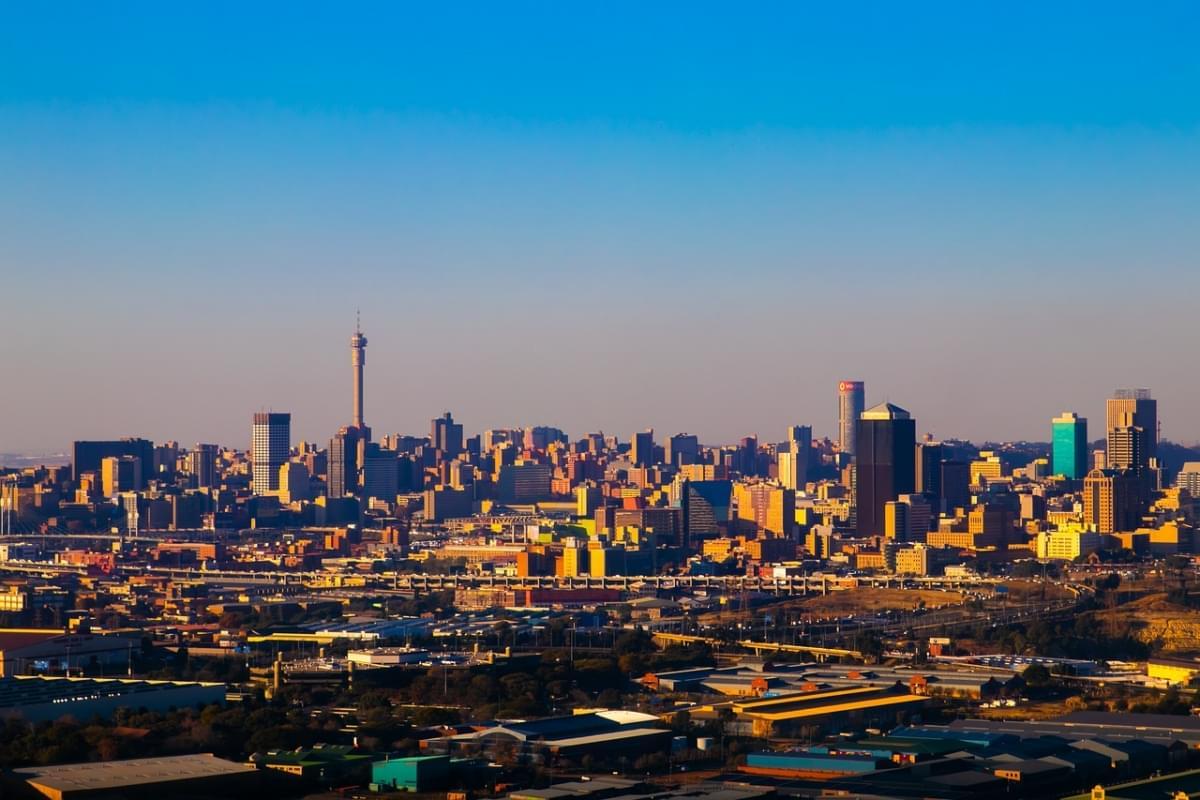
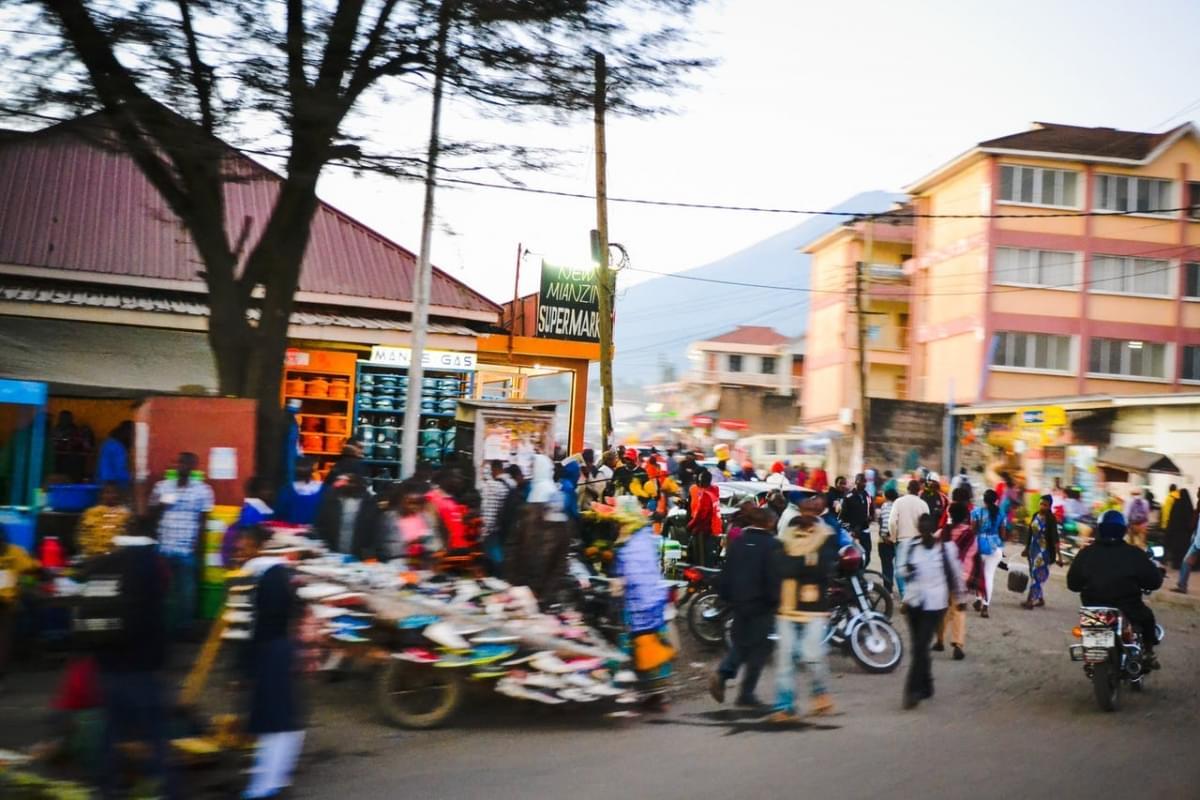 "/> In the centres of the main cities, such as Cape Town, Pretoria, Port Elizabeth or Johannesburg, theft and damage to tourists are frequent, given thehigh crime rate. In the smaller centres the risk is less high, but care must still be taken. There are no particular environmental risks as well as terrorist risks, if not on a par with the world's major tourist destinations. For more detailed information, please refer to the official page on the Farnesina website.
Useful advice and rules of conduct
avoid using public transport as it is not very efficient or safe
avoid walking alone at night and outside the centre
pay attention to driving, as it is on the left
pay attention to sudden crossing by animals
do not withdraw money from ATMs outside the centre
do not venture out alone onto mountain paths or into parks
it is a good idea to tip waiters between 10 and 15%.
Related articles

Safari in South Africa: The most beautiful parks for the Big 5

West Coast South Africa: My Tips & Highlights
South Africa Travel Tips: Experiences, Route, Tips
Kruger National Park, South Africa: where it is, when to go and what to see

Top luxury resorts in South Africa

Africa; Top 10 incredible natural wonders!
Tsitsikamma Park South Africa - Tips, Highlights & Activities